
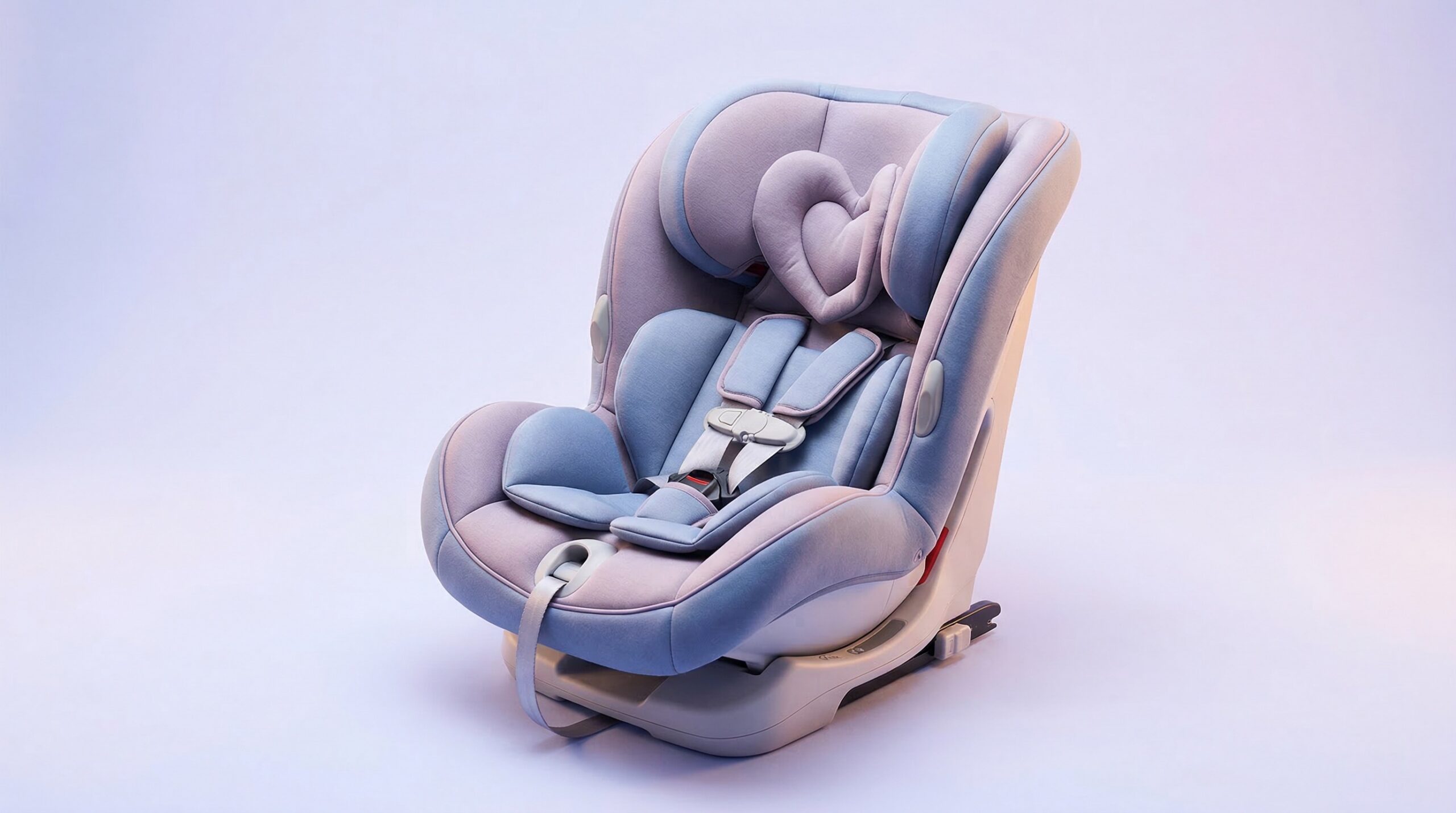
TL;DR
The best travel car seat is the one you’ll actually use correctly in taxis, rentals, and (if needed) on the plane — which usually means prioritizing manageable weight, a realistic way to carry it through the airport, and a straightforward seat-belt install. If you want one seat that can handle both flights and destination driving, choose a model that’s certified for aircraft use and feels reasonable to haul between gates.
Top Recommended Car Seats
| Product | Best For | Price | Pros/Cons | Visit |
|---|---|---|---|---|
| Baby Trend Trooper™ 3-in-1 Convertible Car Seat, Dash Grey | Budget-friendly trips with flexibility | Check price on Amazon | Versatile convertible option for travel days; bulkier than dedicated travel seats | Visit Amazon |
| WAYB Pico Travel Car Seat with Carrying Bag 26.5–50 lbs | Frequent flyers who want compact carry | $619.00as of Oct 23, 07:20 GMT+0000 | Purpose-built for travel with included carrying bag; premium price for a narrower use case | Visit Amazon |
Top Pick: Best Overall Car Seats
Baby Trend Trooper™ 3-in-1 Convertible Car Seat, Dash Grey
Best for: A family that wants one affordable seat for both destination driving and occasional flights — especially if you’re okay with a more traditional convertible seat shape.
The Good
- A practical “do-it-all” style pick for travel: you can use it in everyday cars and bring it along for trips rather than buying a travel-only specialty seat.
- Convertible format can be helpful if you’re traveling with a younger toddler who still needs rear-facing sometimes, or you want the option depending on the vehicle you end up in.
- Caregiver feedback often mentions it being “easy” to use, which matters because travel days are when installations tend to get rushed.
- Good value for families who travel a few times a year and want to keep a second seat at grandparents’ or use it as a backup after the trip.
The Bad
- Not a purpose-built ultralight travel seat — carrying it through an airport (especially with a backpack and a stroller) can feel like a lot.
- Some buyer reviews flag aspects they found “inconvenient,” which can show up as awkward handling or extra steps when you’re tight on time between connections.
- If you’re trying to maximize legroom on a plane or fit into the narrowest economy seats, a more compact travel-specific design can be easier.
4.4/5 across 1,430 Amazon reviews
“This car seat completely exceeded my expectations. From the moment we took it out of the box, I could tell this was a high-quality product.Installation: Super easy! The instructions were clear, and it took less than 10 minutes to get it securely in place. The LATCH system clicked in perfectly, and I felt confident that my child was safe.Comfort: My toddler…” — Verified Amazon buyer (5 stars)
“Not terrible, the only inconvenient thing is that the cupholders are square- why in the world would they make them square? It makes sippy cups stick and difficult to get out. The rest of the seat has been fine.” — Verified Amazon buyer (3 stars)
Our Take: For occasional travelers who want to keep costs down and still cover real-world rental-car and rideshare situations, the Trooper is a sensible all-around pick — just plan your carry strategy (cart or strap) so you’re not wrestling it through the terminal.
WAYB Pico Travel Car Seat with Carrying Bag 26.5–50 lbs
Best for: Frequent flyers who want a travel-focused seat that’s easier to carry through airports and manage during tight connections, especially for preschool-age kids in the forward-facing stage.
The Good
- Designed around travel convenience — the included carrying bag is a real advantage when you’re moving fast through terminals or juggling siblings.
- Parent reviews commonly mention “travel” and “easy,” which is exactly what you want when installs happen in unfamiliar cars and you’re working from muscle memory.
- A focused fit range (26.5–50 lb per the product title) makes it a clear match for families traveling with a forward-facing kid who’s outgrown the infant phase.
- Travel-specific seats are often chosen because they reduce the temptation to skip the car seat in a taxi or “just this once” in a rental — an important safety behavior win.
The Bad
- The price is high compared with conventional convertibles, so it’s hardest to justify if you only fly once in a while.
- This is a more specialized option; if you also need rear-facing capability for a younger toddler, you may prefer a convertible seat instead.
- As with many compact travel seats, some families find they need to be more intentional about fit and comfort on very long days (layers, breaks, and correct harness snugness — not aftermarket padding).
4.4/5 across 763 Amazon reviews
“This car seat has made it to my top 2 list of the BEST Travel Gear for Toddlers! I own a travel agency and have a toddler who goes everywhere with me. As a full time traveler and a solo parent I need a car seat that is as compact as it is safe-enter the WAYB Pico!SIZE: After my usual research through endless rabbit holes of recommendations, I stumbled…” — Verified Amazon buyer (5 stars)
“Purchased it as we were going on vacation and needed something light and easy to set.PROS:- Easy to carry around, not only because it’s light but due to the backpack bag it comes with.- It has 2 different ways you can select from to set up in the car. Either the anchor belts on the sides or by putting a seat belt behind it. After doing some research I found…” — Verified Amazon buyer (4 stars)
Our Take: If you fly often and want a seat that’s clearly built for airport logistics and destination cars, the Pico is the splurge pick that’s easiest to justify for a family doing multiple trips a year.
FAQ
Do I need an FAA-approved car seat to fly?
If you plan to use the car seat in the airplane cabin (installed on the aircraft seat), it needs to be approved for aircraft use and carry the required labeling. The FAA explains how to confirm approval and how child safety seats are used onboard in its guidance for flying with children. If you’re only checking or gate-checking a car seat and not installing it on the plane, FAA approval for aircraft use isn’t the deciding factor — but you still want a seat you can install correctly at the destination.
Is it better to bring a car seat on the plane or gate-check it?
It depends on your child and your trip. Bringing it onboard can keep the seat with you (less risk of baggage damage) and gives your child a familiar, properly restrained place to sit; gate-checking can be simpler if your child will be held (lap infant) or you’ll use a different restraint onboard. If you do check/gate-check, inspect the seat carefully after landing and don’t use it if it appears damaged; travel handling can be rough.
What’s easier for travel: LATCH or seat belt installation?
For travel, seat belt installation is usually the most universally useful because every car has seat belts, while LATCH availability varies by vehicle and seating position. The NHTSA emphasizes correct selection and installation — including tightness and proper belt routing — in its car seat safety guidance. If you’re unsure, practicing at home (and watching the manufacturer’s install video for your exact model) can make travel-day installs faster and more reliable.
How do I know if a travel car seat will fit on an airplane seat?
Start by confirming the seat is certified for aircraft use if you plan to install it onboard. Then think about physical space: airplane seats are narrow, and rear-facing installations can intrude on the row in front. Many families find forward-facing easier to fit on a plane for toddlers and preschoolers, but you should follow your seat’s requirements for your child’s age/size and your pediatrician’s safety guidance.
Are lightweight travel seats less safe, or just less comfortable?
Lightweight doesn’t automatically mean less safe — safety depends on proper fit (harness position and snugness) and a correct installation every ride. Where ultralight seats often differ is comfort and convenience: less padding, different shaping, and sometimes fewer “nice-to-have” adjustability features. If your child is miserable, you’re more likely to have mid-trip battles or be tempted to loosen the harness, so comfort still matters for real-world safety.
Can I add padding or accessories to make a travel car seat more comfortable?
Use only accessories that the car seat manufacturer explicitly allows for that specific model. Aftermarket inserts, strap covers, and head supports can interfere with harness routing and fit. When in doubt, skip extras and focus on correct harness adjustment and appropriate clothing layers.
Should I ask a professional to check my installation before traveling?
If you can, yes — especially if you’ll be doing quick installs in rideshares or rental cars. A certified Child Passenger Safety Technician (CPST) can help you practice installing your exact seat with a seat belt (and LATCH, if you’ll use it) so it’s repeatable under pressure. For broader child passenger safety best practices, the AAP’s family-facing information is a helpful reference point for keeping kids properly restrained.
Bottom Line
If you want a practical, budget-friendly travel seat that can handle the messy reality of rentals and rideshares, the Baby Trend Trooper is our best overall pick from this shortlist. If you fly frequently and want a more travel-specialized carry experience (and can justify the cost), the WAYB Pico is the upgrade that’s built around airport logistics.
Affiliate disclosure: We may earn affiliate commissions from links on this page at no added cost to you.
Product prices and availability are accurate as of the date/time indicated and are subject to change. Any price and availability information displayed on Amazon.com at the time of purchase will apply to the purchase of this product. Certain content that appears on this site comes from Amazon. This content is provided “as is” and is subject to change or removal at any time.